


-
21 Sep 2026 BlogIs Vitiligo Curable in India? Everything You Need to Know
-
06 Mar 2025 UncategorizedUnderstanding the Causes of Acne and How to Treat It
-
06 Mar 2025 UncategorizedWhy Regular Skin Cancer Screenings Are Important
-
19 Oct 2026 BlogWhat Causes Vitiligo? Understanding the Autoimmune Connection
-
17 Oct 2026 BlogVitiligo vs Fungal Infection: How to Tell the Difference
Quick Summary
Many people notice the appearance or worsening of white skin patches after going through emotionally challenging situations. This often raises an important question: Can stress trigger vitiligo?
The answer is stress alone does not directly cause vitiligo, but research suggests that emotional and physical stress can act as a trigger in individuals who are genetically or biologically predisposed to the condition. Because vitiligo is an autoimmune skin disorder, stress may influence immune system activity and contribute to disease onset or flare-ups.
Let’s explore the relationship between stress and vitiligo in detail.
What Is Vitiligo?
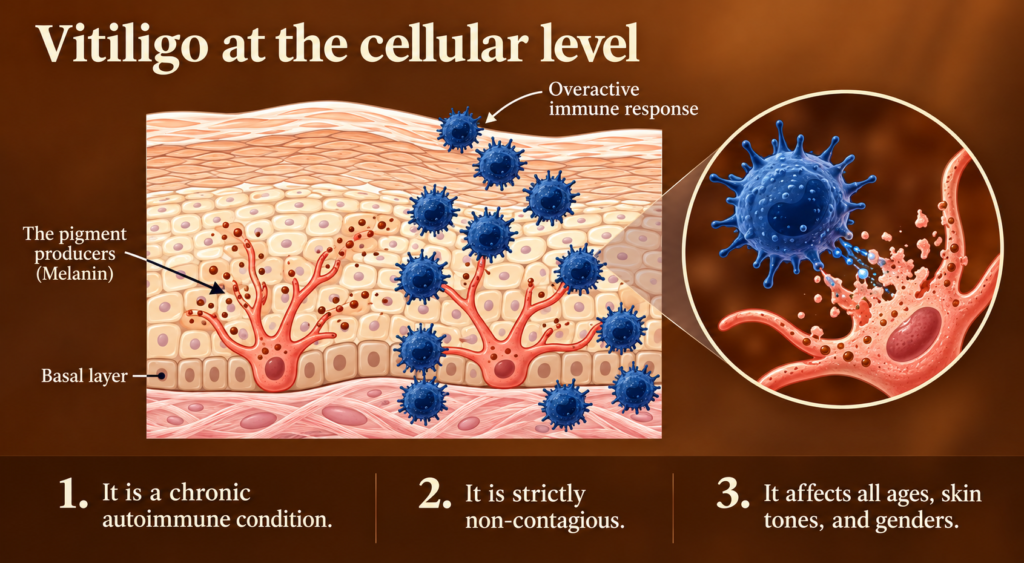
Vitiligo is a chronic autoimmune condition in which the immune system mistakenly attacks melanocytes—the cells responsible for producing melanin, the pigment that gives skin its natural color. As these cells are destroyed, white patches develop on different areas of the body.
Vitiligo is not contagious, cannot spread through physical contact, and affects people of all ages, skin tones, and genders.
How Does Stress Affect the Body?
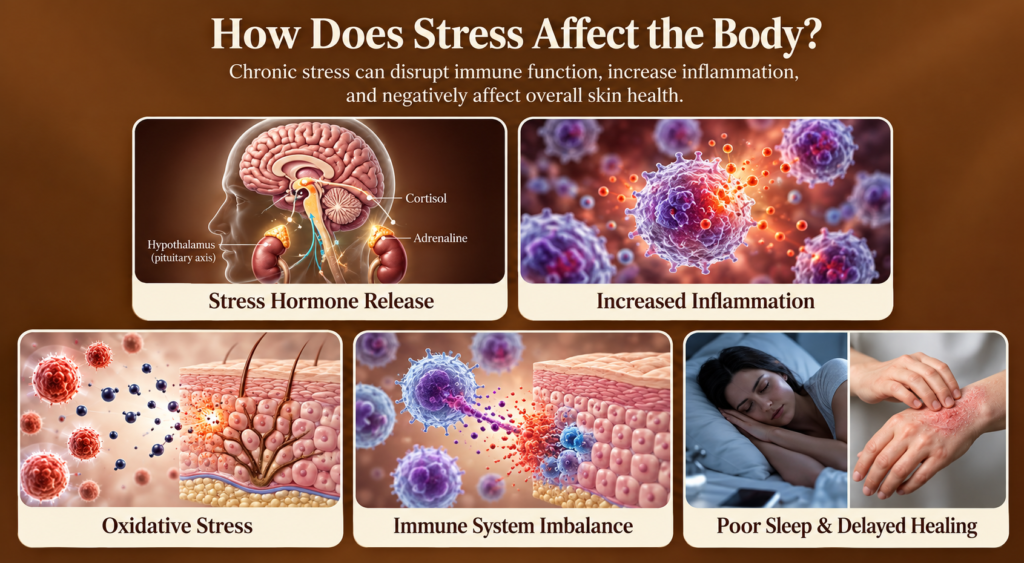
When a person experiences stress, the body releases hormones such as cortisol and adrenaline. These hormones are essential for handling short-term challenges, but prolonged stress can disrupt normal immune function.
Chronic stress may lead to:
- Increased inflammation
- Oxidative stress
- Immune system imbalance
- Poor sleep quality
- Delayed skin healing
Since vitiligo is an autoimmune disease, these stress-related changes may contribute to disease activity in susceptible individuals.
Can Emotional Stress Trigger Vitiligo?
Yes, emotional stress may act as a trigger in some individuals.
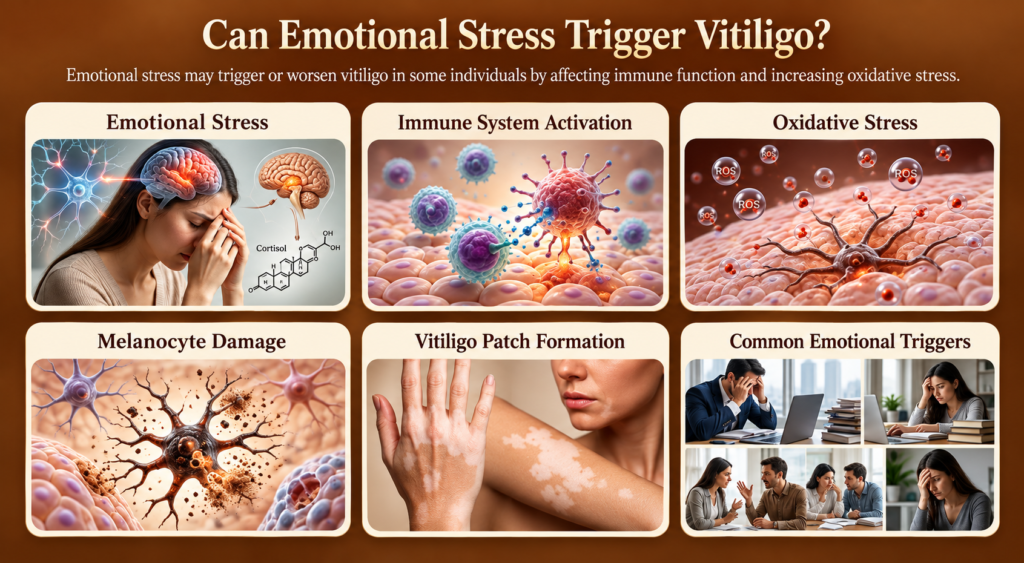
Several clinical studies have found that many patients report experiencing significant emotional events before the appearance of their first vitiligo patches or before the condition worsened. While stress is not considered the primary cause, it can increase immune system activity and oxidative stress, both of which may contribute to melanocyte damage.
Common emotional triggers include:
- Loss of a loved one
- Divorce or relationship problems
- Workplace pressure
- Financial difficulties
- Academic stress
- Anxiety or depression
Not everyone who experiences stress develops vitiligo. Usually, multiple factors—including genetics, immune dysfunction, and environmental triggers—work together.
Does Stress Make Existing Vitiligo Worse?
In many cases, yes.
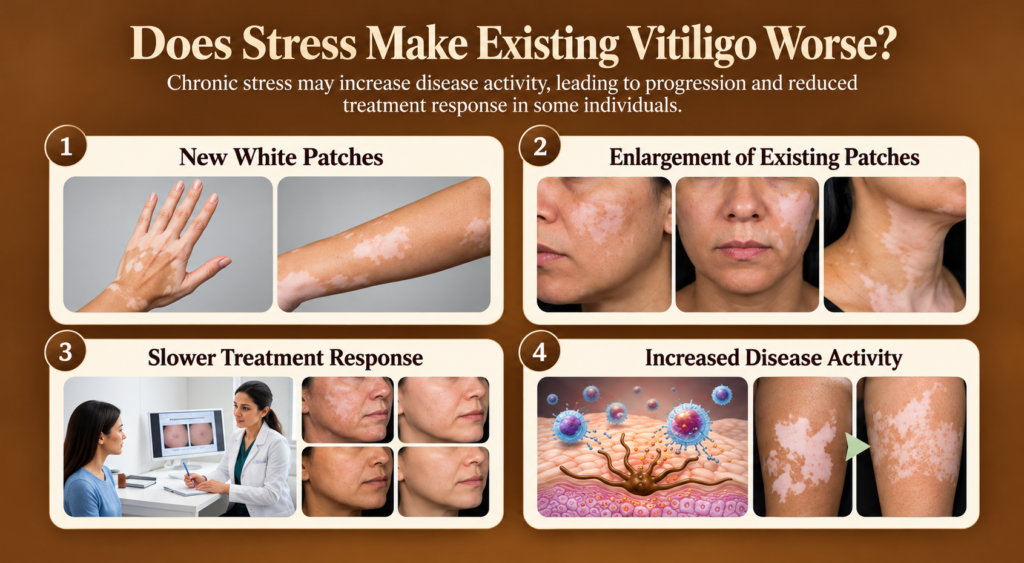
People already living with vitiligo often report that periods of intense stress are followed by:
- Appearance of new white patches
- Enlargement of existing patches
- Slower response to treatment
- Increased disease activity
Although scientific evidence continues to evolve, stress management is widely recommended as part of a comprehensive vitiligo treatment plan.
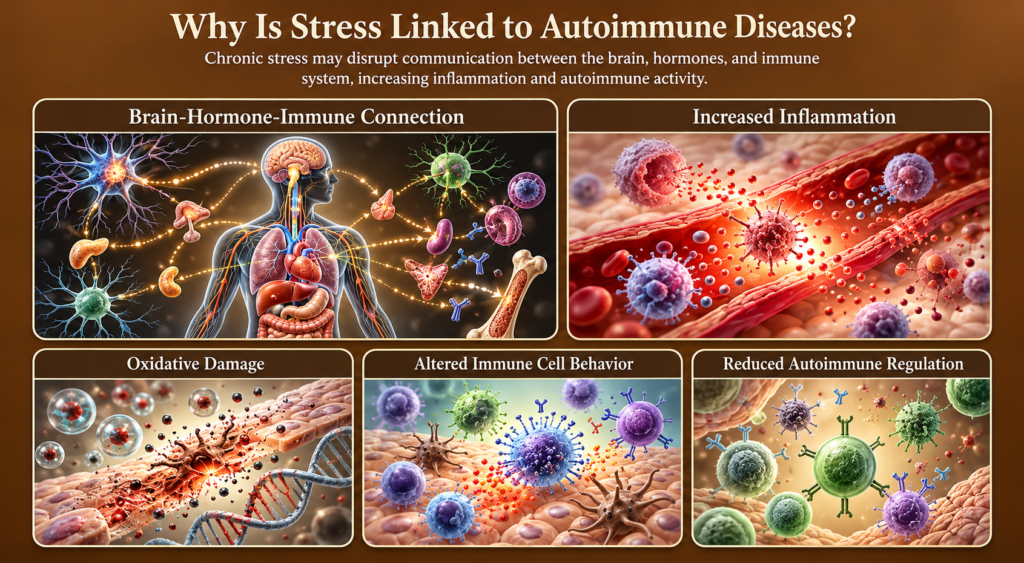
Why Is Stress Linked to Autoimmune Diseases?
Researchers believe chronic stress affects communication between the brain, hormones, and immune system.
Long-term stress may:
- Increase inflammatory chemicals in the body
- Trigger oxidative damage to skin cells
- Alter immune cell behavior
- Reduce the body’s ability to regulate autoimmune responses
Since vitiligo develops when the immune system attacks melanocytes, chronic stress may worsen this imbalance in genetically susceptible individuals.
How Can You Manage Stress If You Have Vitiligo?
Reducing stress may help improve your overall well-being and support your vitiligo treatment.
Healthy stress management techniques include:
- Practicing meditation or mindfulness
- Regular physical exercise
- Getting 7–9 hours of quality sleep
- Deep breathing exercises
- Yoga or stretching
- Spending time with family and friends
- Seeking counseling or therapy when needed
- Joining vitiligo support groups
Stress management should complement—not replace—medical treatment.

What Treatments Help Manage Vitiligo?
Treatment depends on the severity, location, and progression of the condition. A dermatologist may recommend:
- Topical corticosteroids
- Calcineurin inhibitors
- Phototherapy (NB-UVB)
- Excimer laser therapy
- Oral medications in selected cases
- Surgical procedures for stable vitiligo
- Cosmetic camouflage techniques
Early diagnosis often improves treatment outcomes, so consult a skin specialist if you notice new white patches.

When Should You See a Dermatologist?
You should consult a dermatologist if:
White patches appear suddenly.
Existing patches spread rapidly.
Hair turns white in affected areas.
You notice pigment loss inside the mouth or around the eyes.
The condition affects your confidence or emotional health.
Prompt evaluation helps confirm the diagnosis and rule out other skin conditions.
Final Thoughts
So, can stress trigger vitiligo? Current evidence suggests that stress is not the direct cause, but it can act as an important trigger or aggravating factor in people who are genetically predisposed to the disease. Managing emotional well-being, following a healthy lifestyle, and receiving timely dermatological care can help control disease progression and improve quality of life.
If you suspect vitiligo or notice changes in your skin pigmentation, seek professional medical advice for an accurate diagnosis and personalized treatment plan.
Frequently Asked Questions
Anxiety itself does not directly cause vitiligo, but prolonged anxiety may increase stress hormones that can contribute to autoimmune activity in susceptible individuals.
Some patients notice increased disease activity during stressful periods. While stress is not the only factor, it may contribute to the appearance of new patches.
No. Vitiligo is primarily an autoimmune disorder influenced by genetics, immune dysfunction, oxidative stress, and environmental triggers. Stress is considered a contributing factor rather than the sole cause.
Stress reduction may support overall health and improve treatment outcomes when combined with medical therapy, although it is not a standalone cure.
Meditation, yoga, regular exercise, quality sleep, mindfulness practices, counseling, and maintaining a healthy lifestyle are commonly recommended.
Children with a genetic predisposition may experience vitiligo after stressful events, but stress alone does not cause the condition. A dermatologist should evaluate any new white patches.
Reducing stress may help decrease flare-ups, but vitiligo usually requires medical treatment to restore pigmentation. Results vary from person to person.