

-
21 Sep 2026 BlogIs Vitiligo Curable in India? Everything You Need to Know
-
06 Mar 2025 UncategorizedUnderstanding the Causes of Acne and How to Treat It
-
06 Mar 2025 UncategorizedWhy Regular Skin Cancer Screenings Are Important
-
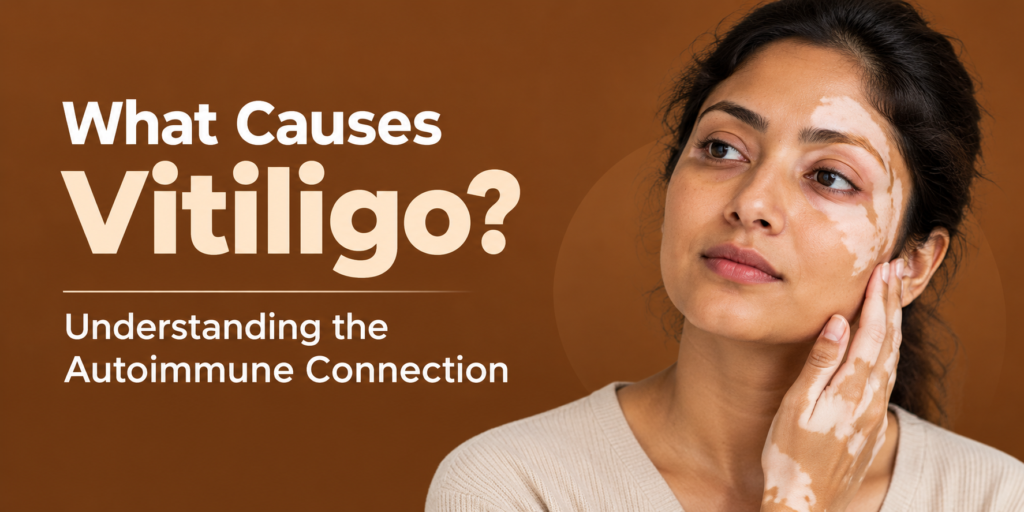
19 Oct 2026 BlogWhat Causes Vitiligo? Understanding the Autoimmune Connection
-
17 Oct 2026 BlogVitiligo vs Fungal Infection: How to Tell the Difference
Quick Summary
Noticing white patches on your skin can be concerning, especially when you are unsure why they have appeared. Vitiligo is a skin condition that causes the loss of natural skin pigment, resulting in lighter or completely white patches on different parts of the body.
The exact cause of vitiligo is not fully understood, but research suggests that an autoimmune response plays an important role. The immune system may mistakenly attack melanocytes, the cells responsible for producing melanin, which gives skin its color. Genetic factors and other biological or environmental influences may also contribute.
Understanding the connection between vitiligo and the immune system can help people recognize early symptoms, seek an accurate diagnosis, and explore appropriate treatment options.
What Is Vitiligo?
Vitiligo is a chronic skin pigmentation disorder characterized by the loss of melanocytes in certain areas of the skin. When these cells are damaged or stop functioning, the affected areas gradually lose their natural color.
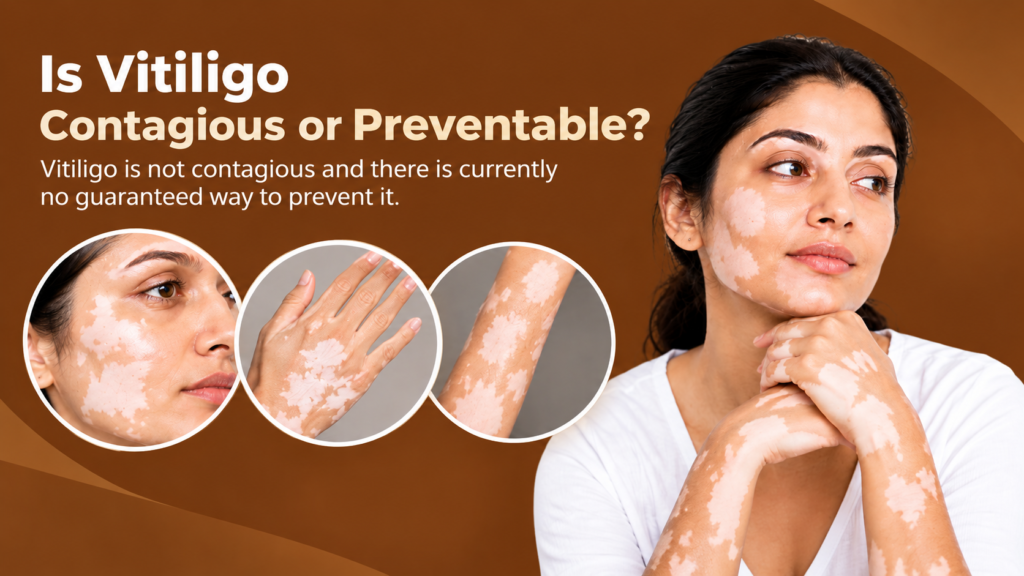
Vitiligo can affect people of all skin tones, ages, and genders. White patches may appear on the face, hands, arms, feet, lips, and other body areas. Some people develop only a few patches, while others experience more widespread depigmentation.
Vitiligo is not contagious, does not result from poor hygiene, and cannot spread through physical contact.
How Is Vitiligo Connected to the Immune System?
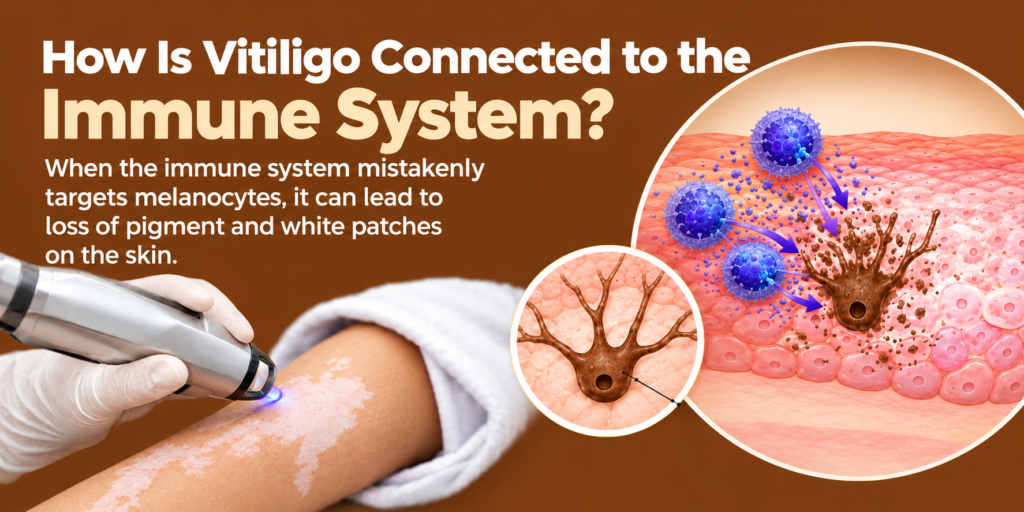
The immune system protects the body against infections and harmful substances. In autoimmune conditions, the immune system mistakenly targets healthy cells.
In vitiligo, immune cells can attack melanocytes, contributing to their damage or destruction. This process reduces melanin production and causes white patches to develop on the skin.
Although autoimmune activity is an important part of vitiligo, the condition is complex. Genetic susceptibility, oxidative stress, and environmental influences may also play a role. The exact combination of factors differs from person to person.
Suggested Image 1: An educational illustration showing immune cells targeting melanocytes in the skin.
Suggested image ALT text: How the autoimmune response affects melanocytes in vitiligo.
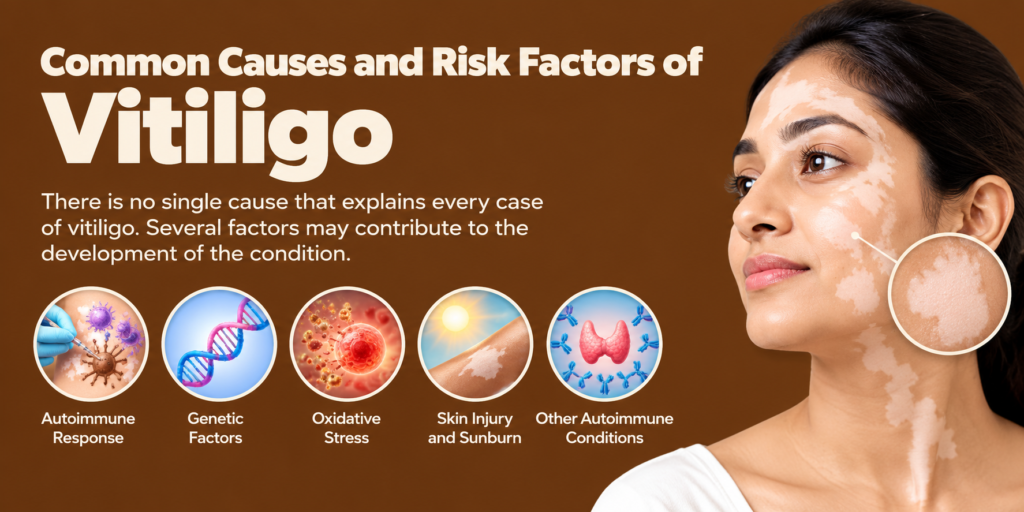
Common Causes and Risk Factors of Vitiligo
There is no single cause that explains every case of vitiligo. Several factors may contribute to the development of the condition.
1. Autoimmune Response
The immune system may mistakenly attack pigment-producing melanocytes. This is considered one of the main mechanisms involved in vitiligo and explains its association with other autoimmune conditions.
2. Genetic Factors
Vitiligo can occur in families, suggesting that inherited factors may influence susceptibility. However, having a family history does not mean someone will definitely develop vitiligo. Many people with the condition have no known family history.
3. Oxidative Stress
Oxidative stress occurs when the balance between harmful free radicals and the body’s protective antioxidant systems is disrupted. Researchers believe oxidative stress may contribute to melanocyte damage in some people with vitiligo.
4. Skin Injury and Sunburn
In some individuals, skin trauma, repeated friction, cuts, or severe sunburn may be associated with new vitiligo patches developing at the affected site. This phenomenon is known as the Koebner phenomenon.
However, not every skin injury leads to vitiligo, and these factors do not explain all cases.
5. Other Autoimmune Conditions
Some people with vitiligo also have other autoimmune conditions, including autoimmune thyroid disease. This does not mean that everyone with vitiligo will develop another condition.
A dermatologist may recommend additional evaluation or testing based on a person’s symptoms and medical history.
What Are the Early Signs of Vitiligo?
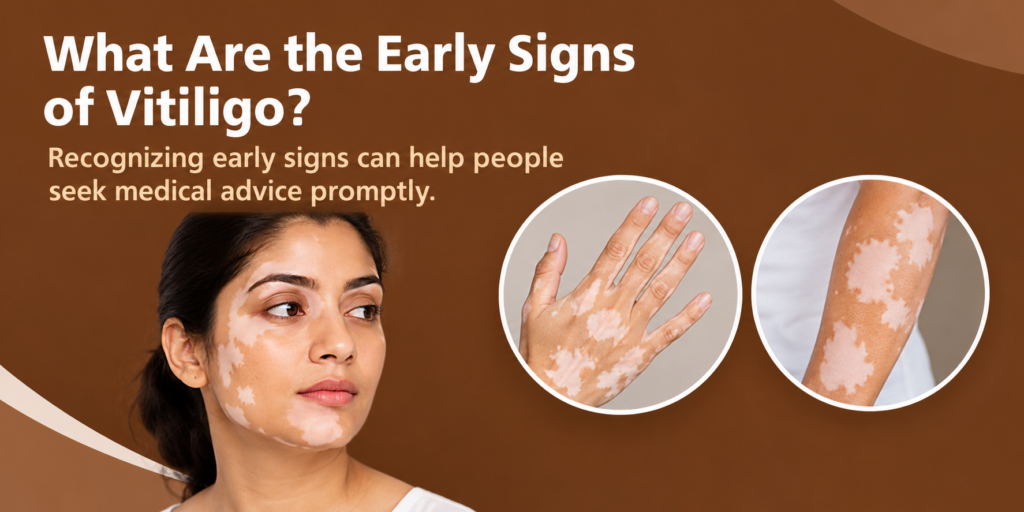
Recognizing early signs can help people seek medical advice promptly. Common symptoms include:
- Pale patches that gradually become milky white.
- Clearly defined patches on the face, hands, arms, feet, or other body areas.
- Patches that increase in size or appear in new locations.
- Loss of pigment around the eyes, mouth, fingers, or other areas.
- White or grey hair developing within affected skin in some cases.
- Smooth skin without the scaling commonly associated with certain fungal infections.
Vitiligo usually does not cause pain or significant itching, although some people may experience mild itching.
Suggested Image 2: A clinical-style educational image showing common locations of vitiligo patches on the face, hands, and arms.
Suggested image ALT text: Early signs and common locations of vitiligo patches on the skin.
Is Vitiligo Contagious or Preventable?
Vitiligo is not contagious. It cannot be transmitted through touching, hugging, sharing food, or using the same everyday objects.
There is currently no guaranteed way to prevent vitiligo because its development involves several biological factors that are not fully understood. Protecting the skin from sunburn, avoiding unnecessary skin injury, and seeking medical advice when new patches appear can support general skin health, but these measures cannot guarantee prevention.
It is also important to understand that vitiligo is not caused by poor hygiene or a person’s lifestyle choices.
How Is Vitiligo Diagnosed?
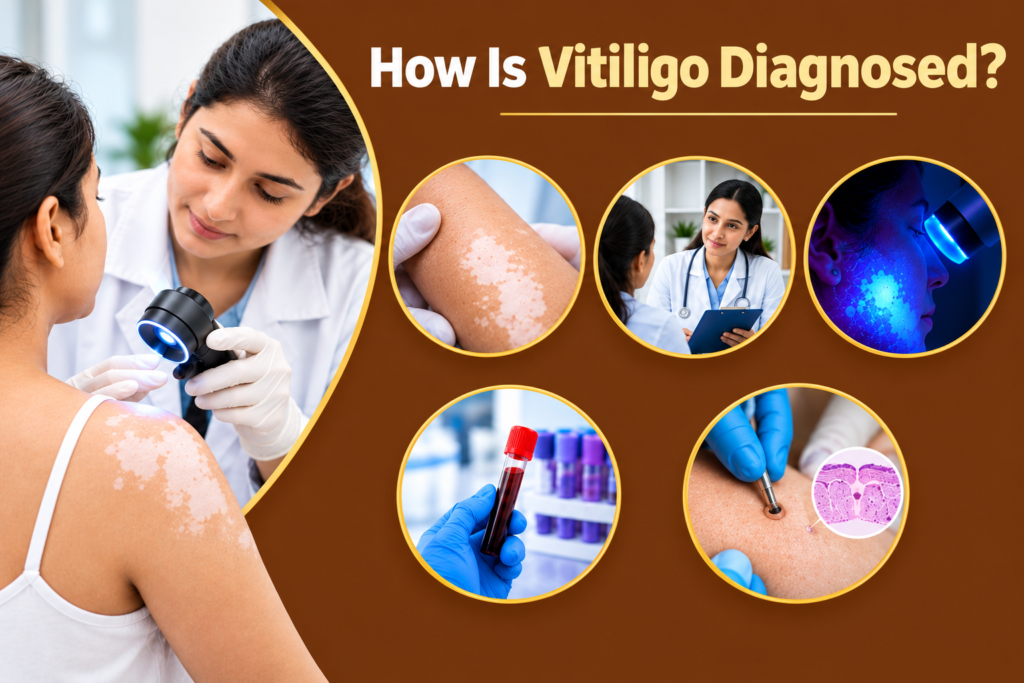
A dermatologist can assess white patches and determine whether they are consistent with vitiligo or another skin condition.
Common diagnostic methods include:
- Physical examination: Assessing the appearance, location, and distribution of the patches.
- Medical and family history: Reviewing when the patches appeared and whether there is a history of vitiligo or autoimmune conditions.
- Wood’s lamp examination: Using a special ultraviolet light to help identify areas of pigment loss.
- Blood tests: Recommended when appropriate to investigate associated health conditions, such as thyroid disorders.
- Skin biopsy: Occasionally considered when the diagnosis remains uncertain.
Accurate diagnosis is important because other conditions, including fungal infections and post-inflammatory pigmentation changes, can also cause lighter areas of skin.
Vitiligo Diagnosis
A dermatologist may use several methods to diagnose vitiligo:
- Physical examination
- Medical and family history
- Wood’s lamp examination
- Blood tests (to check for autoimmune conditions)
- Skin biopsy (rarely required)
Correct diagnosis prevents unnecessary use of antifungal medications when vitiligo is the actual cause.
Vitiligo Treatment Options
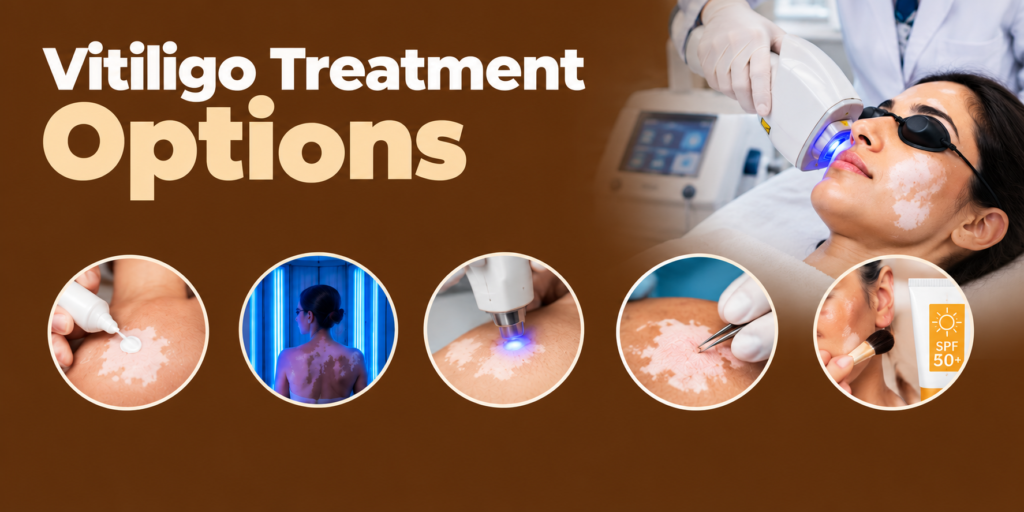
Although there is no guaranteed permanent cure for vitiligo, several treatments may help restore pigment, manage progression, or improve the appearance of affected areas. The choice depends on the extent of the condition, its activity, the location of patches, and the patient’s medical history.
1. Topical Medications
Dermatologists may prescribe topical corticosteroids or calcineurin inhibitors for selected areas. These medicines may help manage the condition and encourage repigmentation in some patients.
2. Narrowband UVB Phototherapy
Narrowband UVB phototherapy uses a specific range of ultraviolet light to help stimulate repigmentation. It may be considered for widespread vitiligo or multiple affected areas.
3. 308 nm Excimer Laser Therapy
Excimer laser therapy delivers targeted ultraviolet light to selected vitiligo patches. It may be appropriate for localized areas when recommended by a dermatologist.
4. Surgical Options
Certain surgical techniques may be considered for carefully selected patients with stable vitiligo. Suitability depends on disease stability, affected areas, and other clinical factors.
5. Cosmetic Camouflage and Sun Protection
Cosmetic camouflage can help reduce the visual contrast between affected and unaffected skin. Sun protection is also important because depigmented areas are more susceptible to sunburn.
No treatment guarantees the same results for everyone. A qualified dermatologist can explain the potential benefits, risks, and realistic expectations of each option.
Suggested Image 3: A dermatology treatment image showing a patient receiving targeted phototherapy for vitiligo.
Suggested image ALT text: Dermatologist administering targeted phototherapy for vitiligo treatment.
When Should You Consult a Dermatologist?
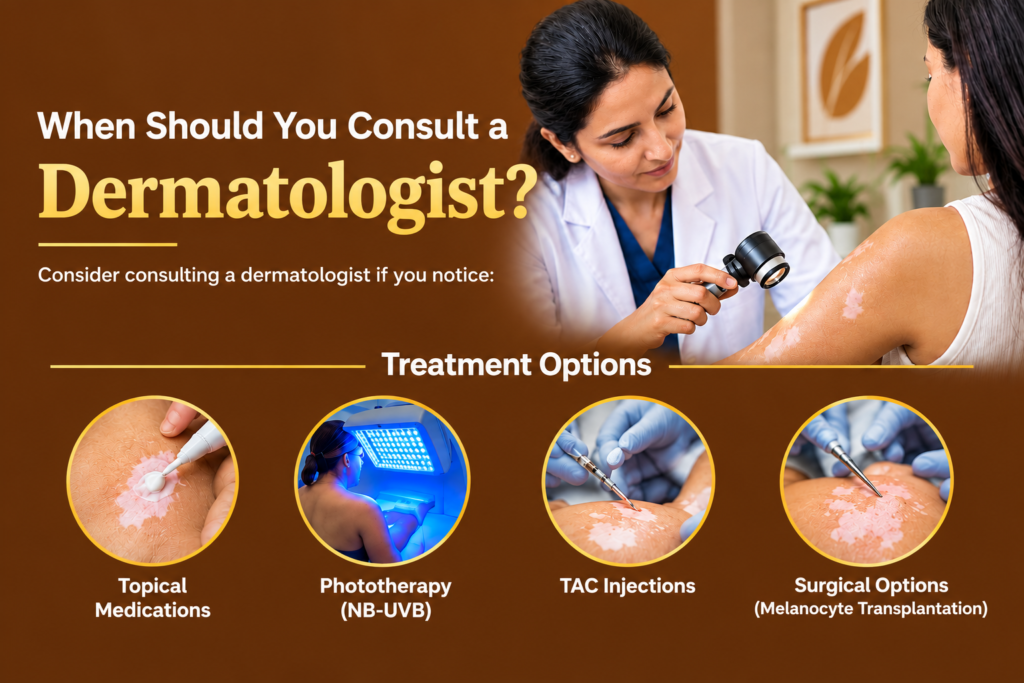
Consider consulting a dermatologist if you notice:
- New white patches appearing on your skin.
- Existing patches increasing in size.
- Multiple areas of pigment loss developing.
- White hair growing within affected patches.
- Persistent discoloration that does not improve with treatment for another suspected condition.
Early evaluation can help identify the cause of the patches and determine whether treatment or monitoring is appropriate.
Conclusion
Vitiligo is a complex skin condition primarily associated with the loss or dysfunction of melanocytes, the cells responsible for producing skin pigment. An autoimmune response plays an important role, while genetic susceptibility, oxidative stress, and other factors may also contribute.
Although vitiligo cannot always be prevented, understanding its causes and recognizing early symptoms can help people make informed decisions about their skin health. The condition is not contagious and is not caused by poor hygiene.
If you notice unexplained white patches, consult a qualified dermatologist for an accurate diagnosis and personalized treatment recommendations. Early assessment can help you understand the condition and explore suitable management options.
Frequently Asked Questions
Vitiligo is commonly associated with an autoimmune response in which immune cells attack pigment-producing melanocytes. Genetic and other biological factors may also contribute.
Vitiligo is widely recognized as an autoimmune-related condition. The immune system can mistakenly target melanocytes, resulting in pigment loss.
Stress is not considered the sole cause of vitiligo. Some people report changes during stressful periods, but the relationship is complex, and stress does not explain every case.
Genetic factors may increase susceptibility to vitiligo. However, not everyone with a family history develops the condition, and many affected people have no known family history.
No. Vitiligo cannot spread from one person to another through physical contact or everyday interactions.
There is no guaranteed permanent cure. Treatments may help restore pigment or manage progression, but outcomes vary and patches can recur.
No. Some people with vitiligo also have autoimmune thyroid conditions, but not everyone does. A healthcare professional can determine whether testing is appropriate.