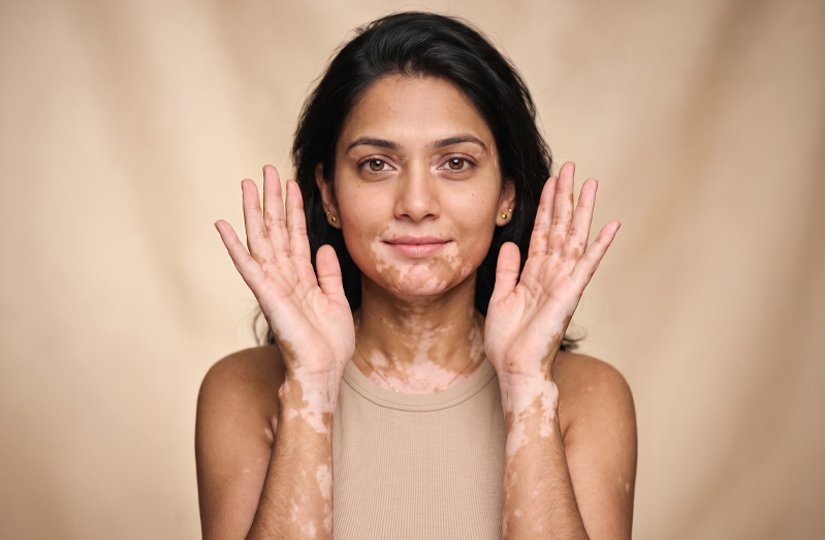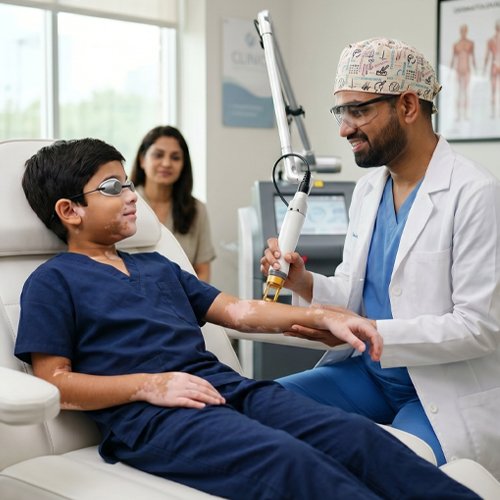


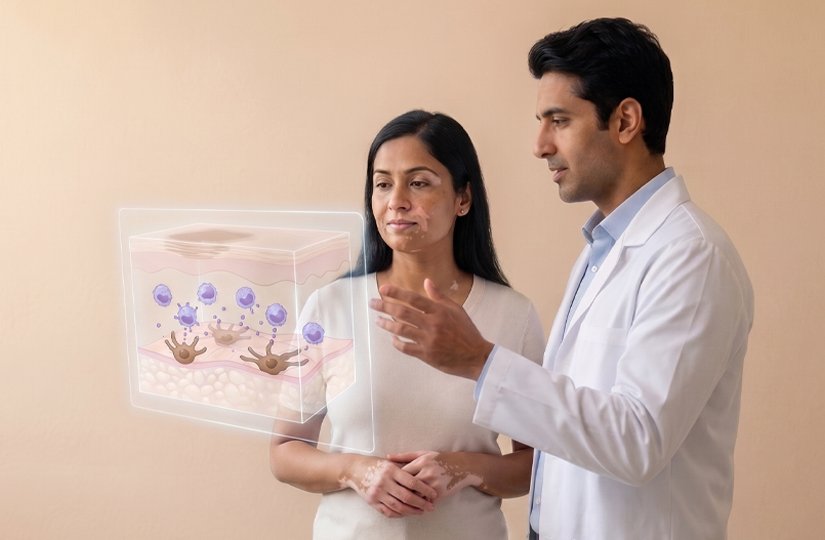
Vitiligo is a skin condition that causes white or lighter-colored patches to appear on different parts of the body. These patches develop when the cells responsible for producing skin pigment (melanocytes) become less active or decrease in certain areas. As a result, the affected skin loses its natural color. Many individuals seek vitiligo treatment in India due to the availability of advanced medical therapies and specialized care options.
Vitiligo can occur anywhere on the body, but it is most commonly seen on the face, hands, elbows, knees, lips, and around body openings. The condition varies from person to person—some may have only a few small patches, while others may notice more widespread changes over time.
The exact cause of vitiligo is not fully understood. In many patients, vitiligo develops when pigment-producing cells become weak, inactive, or damaged because of a combination of internal and external factors.
The immune system may mistakenly attack melanocytes, the cells responsible for producing the skin's natural pigment (melanin).

Vitiligo can run in families, but many patients have no family history. Genes increase the likelihood of developing vitiligo, but they do not guarantee it.

Excess free radicals may be damage pigment-producing cells, making them a more vulnerable, especially when the skin was already sensitive.
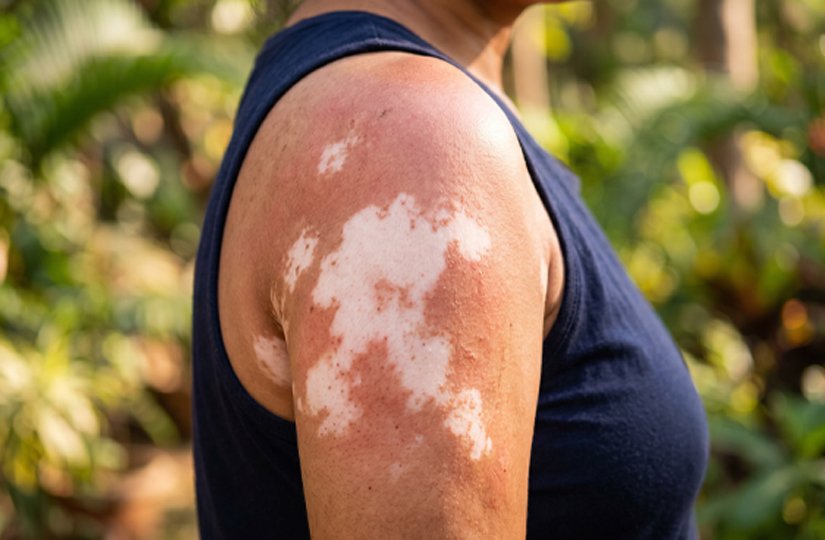
Factors such as stress, skin injury, friction, sunburn, and exposure to certain chemicals may trigger or worsen vitiligo in some individuals.
Understanding the type and pattern of vitiligo is an important part of diagnosis and treatment planning. Different forms of vitiligo can behave differently, progress at different rates, and respond differently to treatment. Identifying the specific pattern helps specialists develop a personalized approach for better management and repigmentation outcomes.
Continuous friction from tight clothing, footwear, or repetitive rubbing may trigger new vitiligo patches in susceptible individuals.
Skin injuries such as cuts, burns, scratches, or harsh exfoliation can sometimes contribute to the development of new depigmented areas.
Emotional stress and poor sleep may affect immune system balance and potentially contribute to vitiligo progression.
Severe sunburn and excessive UV exposure can damage the skin and may trigger new vitiligo patches.
Certain cosmetic, household, or industrial chemicals may irritate the skin and increase the risk of pigment loss in sensitive individuals.
Understanding the type and pattern of vitiligo is an important part of diagnosis and treatment planning. Different forms of vitiligo can behave differently, progress at different rates, and respond differently to treatment. Identifying the specific pattern helps specialists develop a personalized approach for better management and repigmentation outcomes.
Whether you are seeking early intervention or advanced vitiligo treatment in India, knowing the type of vitiligo can help set realistic expectations and guide the most suitable treatment options.
Its typically appears as symmetrical white patches on both sides of the body. It may gradually spread over time and is often associated with autoimmune factors.
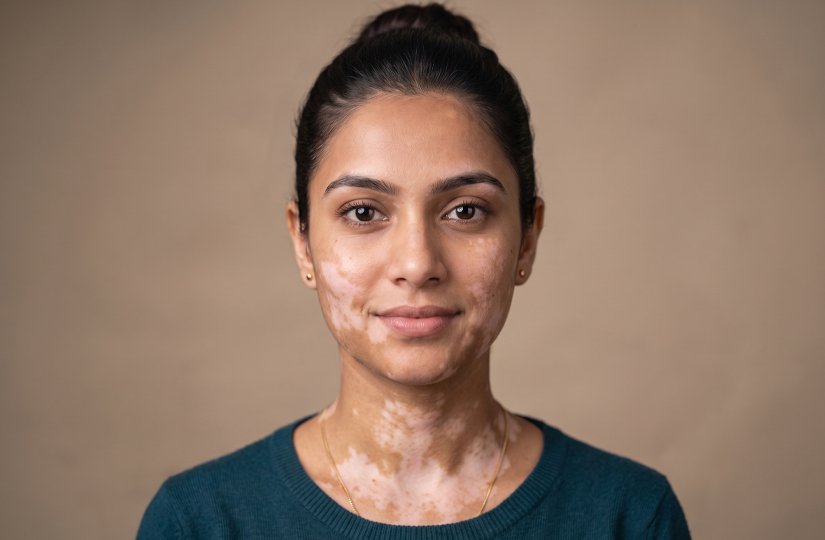
Segmental vitiligo affects one side of the body and usually develops at a younger age. It often progresses rapidly at first but tends to stabilize sooner than other types.
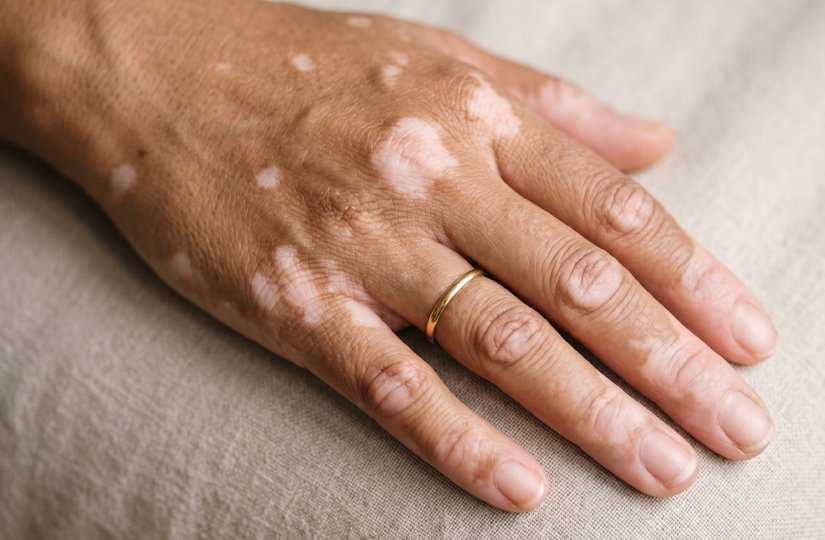
Focal vitiligo is characterized by one or a few isolated white patches in a specific area. These patches may remain stable for long periods without significant spread.

Generalized vitiligo involves multiple areas of the body and is the most widespread pattern. The extent and progression can vary from person to person.
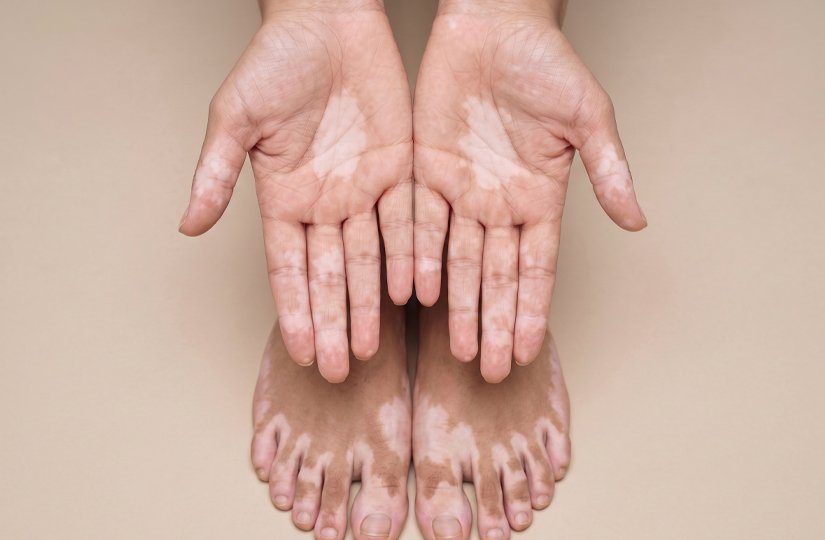
Acral vitiligo mainly affects the hands, fingers, feet, and toes. Due to the nature of these areas, treatment may take longer, making early management important.
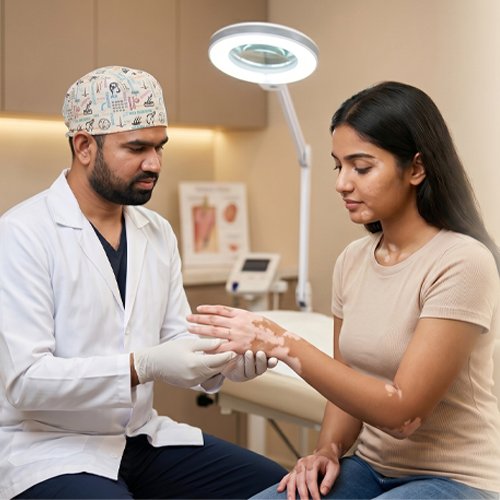
One of the most common questions patients ask is, “Why did my vitiligo start?” or “Why is it spreading?” While the exact cause of vitiligo is not completely understood, research suggests that it is primarily linked to the immune system and genetic factors.
Vitiligo happens when the immune system mistakenly attacks pigment-producing cells (melanocytes), leading to white patches on the skin. Not everyone with genetic risk develops it, but certain triggers may influence its onset or progression. At an advanced vitiligo treatment clinic in India, understanding these triggers can help support better lifestyle choices and improve the effectiveness of vitiligo treatment.
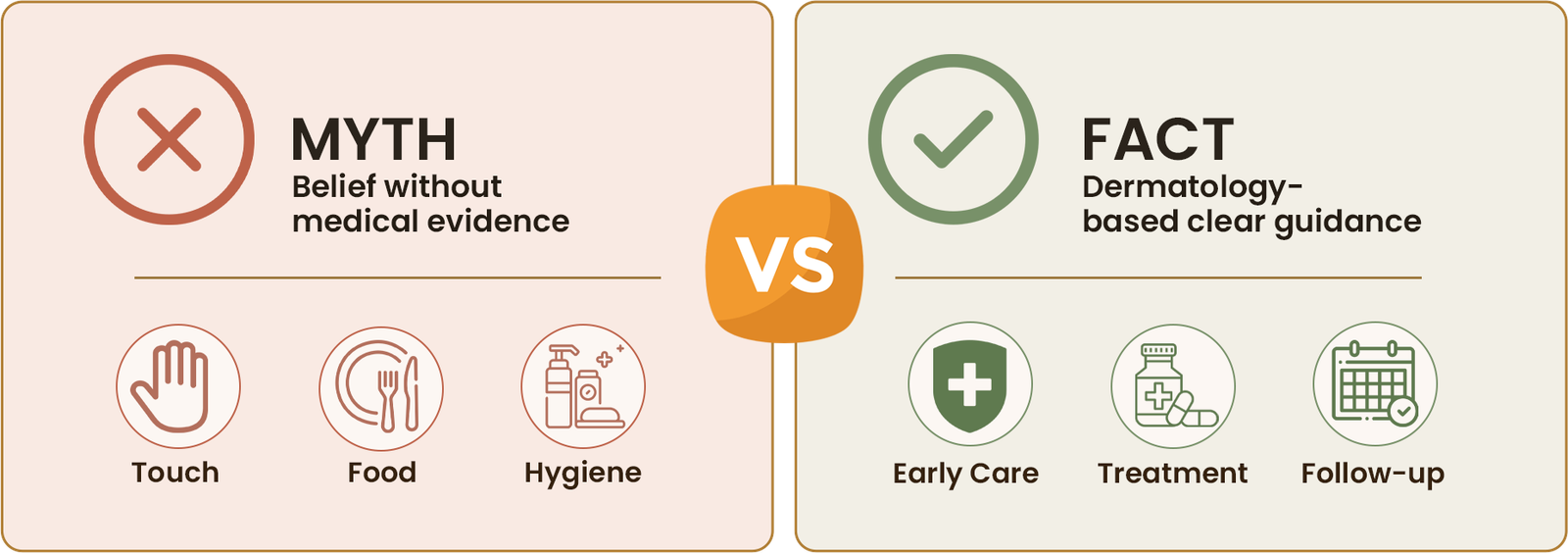
Vitiligo is often linked to autoimmune activity and genetic factors. While certain triggers may influence its progression, they do not directly cause the condition. Early diagnosis and timely treatment can help manage vitiligo and support repigmentation.
While triggers cannot always be avoided completely, the following measures may help support healthy skin and reduce unnecessary irritation:
Avoid excessive friction and use gentle, fragrance-free skincare products to protect sensitive skin. Wearing loose-fitting clothing and avoiding harsh scrubbing can help reduce irritation.
Apply a broad-spectrum sunscreen every day to protect both affected and unaffected skin from UV damage. Reapply it during prolonged outdoor activities for continued protection.
Keep your skin well-moisturized to prevent dryness and discomfort. If you notice itching or irritation, seek appropriate care and use dermatologist-recommended skincare products.
Following a personalized treatment plan and attending regular follow-up appointments can help control vitiligo, reduce its progression, and improve repigmentation outcomes.
It is advisable to seek professional evaluation from a best vitiligo specialist in India if:
Early intervention can help assess disease activity and identify the most suitable treatment approach for your specific condition.
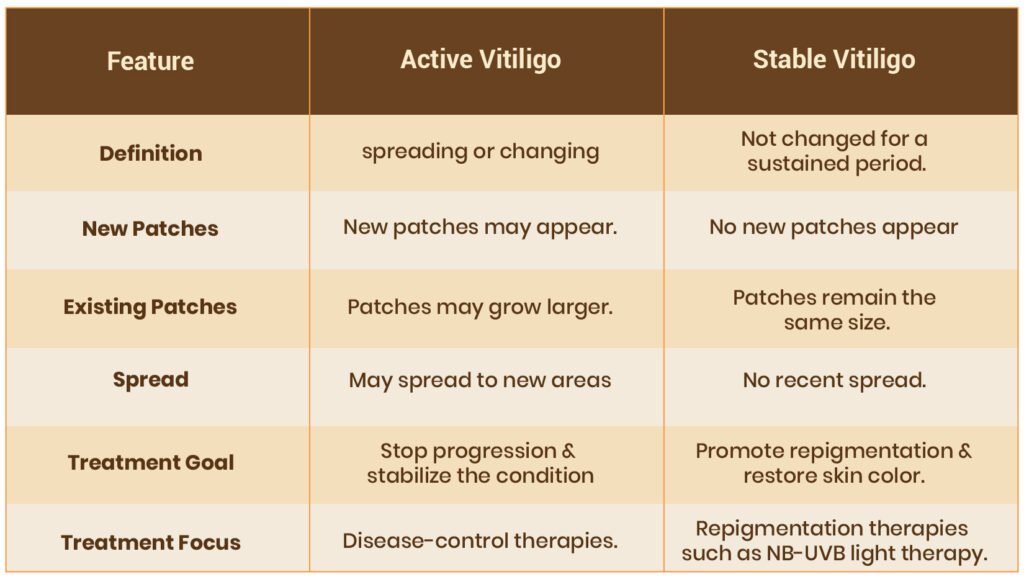
Understanding whether your vitiligo is active or stable is one of the most important factors in choosing the right treatment approach. The activity level of vitiligo helps specialists determine whether the priority should be stopping the spread of white patches or focusing on repigmentation and color restoration.
Vitiligo in children often begins as white or light-colored patches on the skin that gradually increase in size. These patches may appear symmetrically on both sides of the body, and the hair within the affected areas may also turn white. The patches often become more noticeable after sun exposure.
Treatment is tailored to your child's age, type of vitiligo, and disease activity. Depending on the condition, it may include topical medications, targeted phototherapy, nutritional support, and proper skin care with sun protection. The main goal is to stop the progression of vitiligo and encourage repigmentation.
Vitiligo can affect a child's confidence and emotional well-being. Parents can provide support by encouraging open communication, building self-esteem, educating family members and teachers about the condition, and seeking professional guidance whenever needed.
You should consult a vitiligo specialist if your child develops new white patches, existing patches begin to spread, visible areas such as the face are affected, or your child experiences emotional distress. Early diagnosis and timely treatment can help achieve better long-term results.
Our team of dermatology professionals is dedicated to providing you with the highest quality care. With years of experience.
It’s time to take control of your skin health! Booking your appointment is easy and fast. Choose a time that works for you and our dermatology experts will be ready.
VitiligoMD Clinic, Kate Square Building, 401, 4th floor, Pimple Gurav – 411061