

-
21 Sep 2026 BlogIs Vitiligo Curable in India? Everything You Need to Know
-
06 Mar 2025 UncategorizedUnderstanding the Causes of Acne and How to Treat It
-
06 Mar 2025 UncategorizedWhy Regular Skin Cancer Screenings Are Important
-
17 Oct 2026 BlogVitiligo vs Fungal Infection: How to Tell the Difference
-
10 Oct 2026 BlogCommon Myths About Vitiligo: Facts Every Patient Should Know
Quick Summary
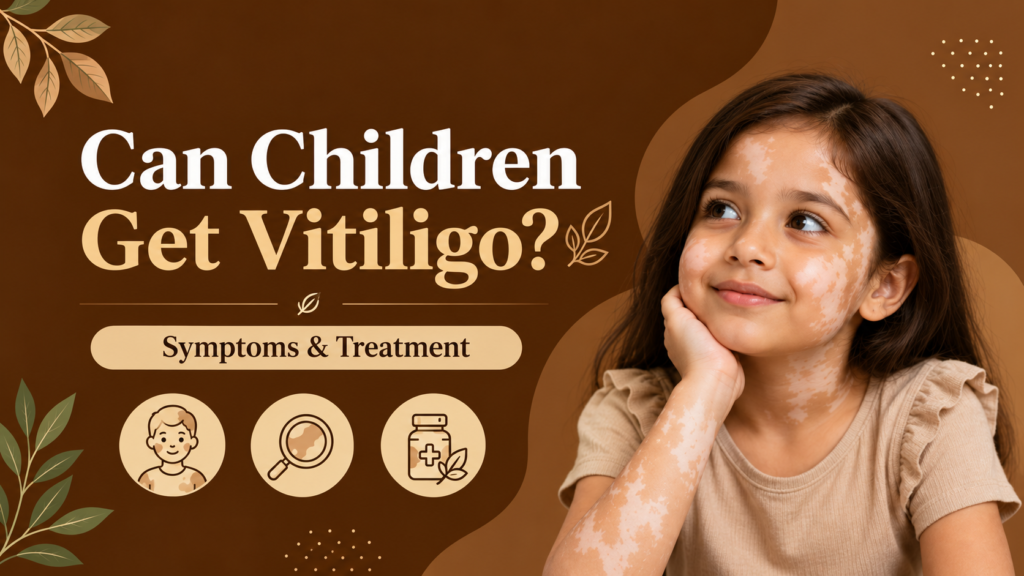
Seeing white patches appear on your child’s skin can be worrying for any parent. One possible reason is vitiligo, a skin condition that causes the loss of natural skin pigment. While vitiligo is not harmful or contagious, it can affect a child’s confidence and emotional well-being if left untreated.
Fortunately, children vitiligo treatment in India has advanced significantly over the years. With early diagnosis and appropriate medical care, many children experience excellent disease control and, in some cases, significant repigmentation.
In this guide, we’ll explain the symptoms, causes, diagnosis, treatment options, and answer the most common questions parents ask.
What Is Vitiligo in Children?
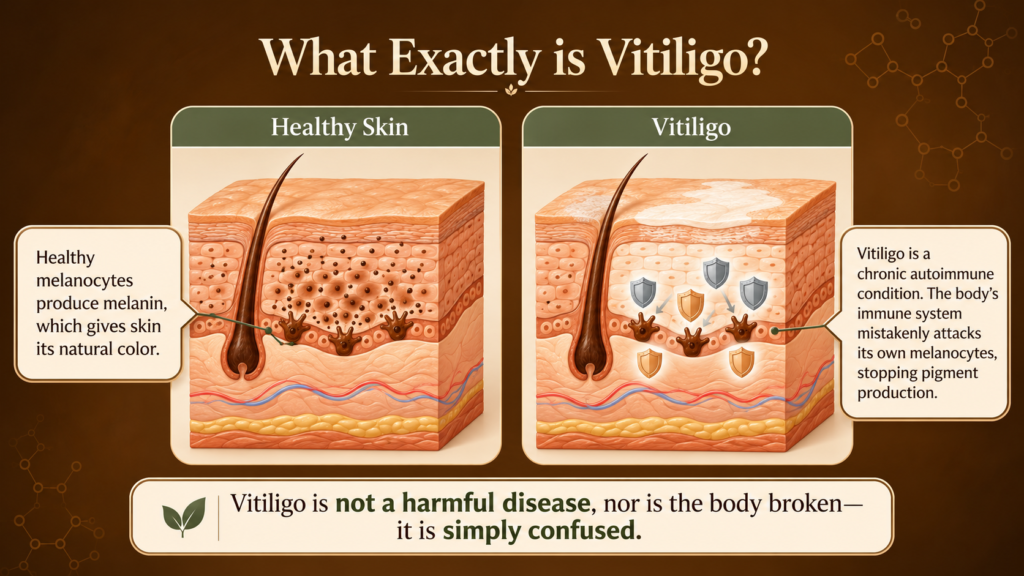
Vitiligo is a chronic autoimmune skin condition in which the body’s immune system mistakenly attacks melanocytes, the cells responsible for producing skin pigment (melanin). As these cells are damaged, white patches develop on different parts of the body.
Vitiligo can occur at any age, including infancy, but many cases begin before the age of 20. Early diagnosis helps doctors choose the most suitable treatment and monitor the condition over time.
Symptoms of Vitiligo in Children
Recognizing the early signs can help parents seek medical attention promptly.
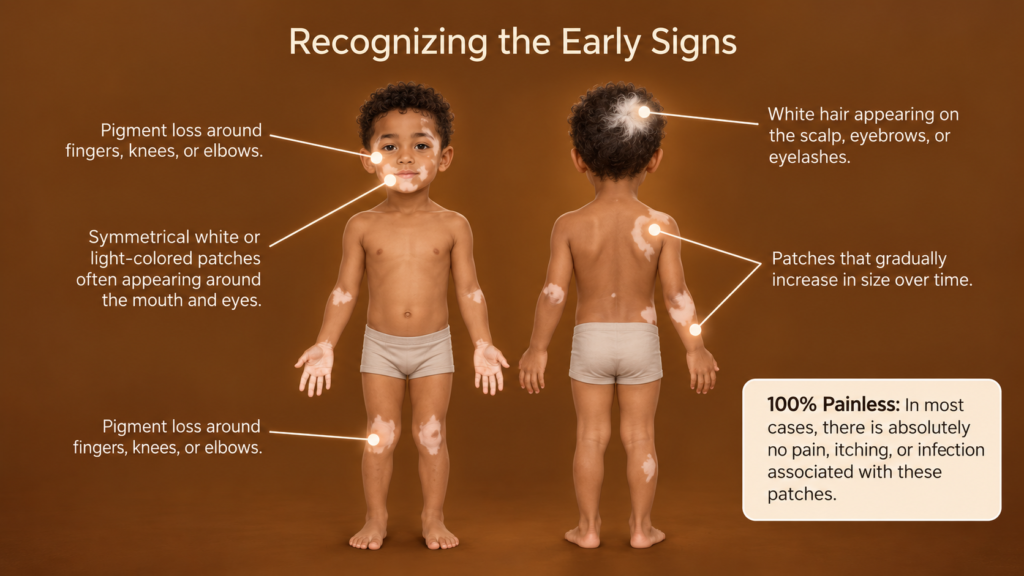
Common symptoms include:
- White or light-colored patches on the skin
- Patches that gradually increase in size
- White hair on the scalp, eyebrows, or eyelashes
- Symmetrical patches on both sides of the body
- Loss of pigment around the mouth, eyes, fingers, knees, or elbows
- No pain, itching, or infection in most cases
Every child experiences vitiligo differently. Some develop only a few small spots, while others may have more widespread pigment loss.
What Causes Vitiligo in Children?
The exact cause of vitiligo remains unknown, but several factors may contribute:
1. Autoimmune Response
The immune system attacks pigment-producing cells.
2. Family History
Children with relatives who have vitiligo or autoimmune diseases may have a higher risk.
3. Genetic Factors
Certain genes increase susceptibility to developing vitiligo.
4. Environmental Triggers
Skin injury, emotional stress, or severe sunburn may trigger vitiligo in genetically predisposed children.
It is important to remember that vitiligo is not contagious. Children cannot catch it from classmates, friends, or family members.
How Is Vitiligo Diagnosed?
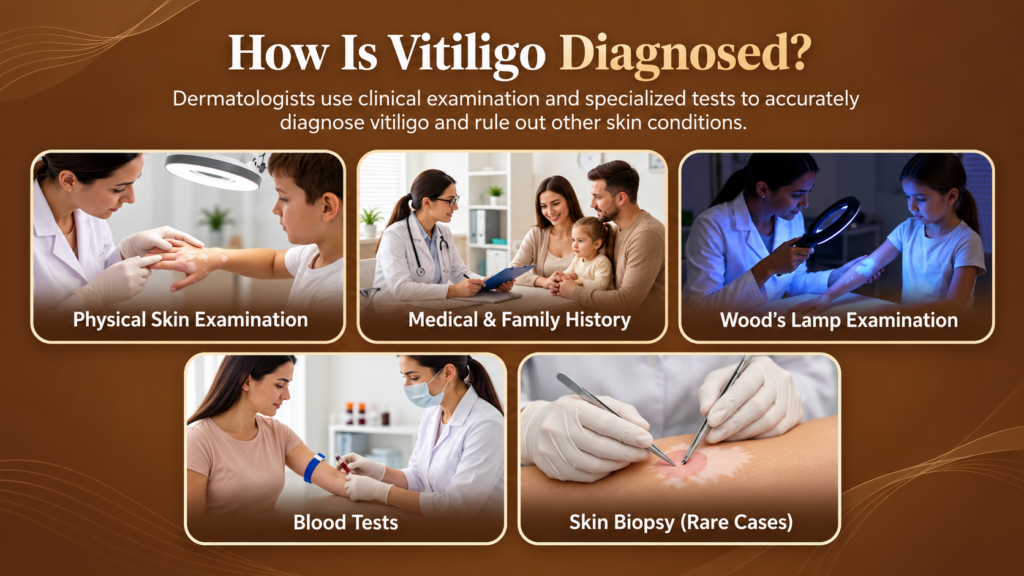
A dermatologist usually diagnoses vitiligo through:
- Physical skin examination
- Medical and family history
- Wood’s lamp examination
- Blood tests (if autoimmune conditions are suspected)
- Skin biopsy in rare situations
Early diagnosis helps distinguish vitiligo from fungal infections or other skin disorders that also cause white patches.
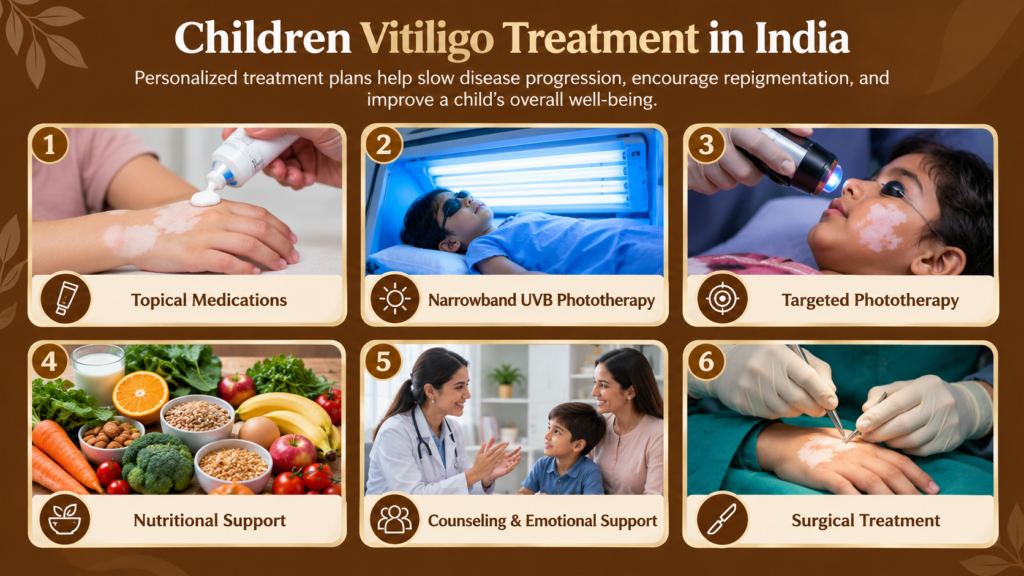
Children Vitiligo Treatment in India
India offers several effective treatment options depending on the child’s age, the extent of vitiligo, and how active the disease is. Treatment aims to stop progression and encourage repigmentation where possible.
1. Topical Medications
Doctors may prescribe medicated creams or ointments to reduce immune activity and stimulate pigment production. These are often used for localized vitiligo and should always be applied under medical supervision.
2. Light Therapy (Phototherapy)
Narrowband UVB phototherapy is one of the most commonly recommended treatments for children with widespread vitiligo. It can help restore pigmentation over time when used consistently under specialist guidance.
3. Targeted Phototherapy
For small, localized patches, targeted light therapy may treat only the affected areas, minimizing exposure to surrounding healthy skin.
4. Nutritional Support
While diet alone cannot cure vitiligo, maintaining a balanced diet rich in vitamins, minerals, antioxidants, and protein supports overall skin health. A doctor may recommend supplements if deficiencies are identified.
5. Counseling and Emotional Support
Children with visible skin changes may experience anxiety, low self-esteem, or social challenges. Psychological support and family encouragement play an important role in overall care.
6. Surgical Treatment
Surgical procedures are generally considered only for older children or adolescents with stable vitiligo that has not responded to medical treatment. These decisions are made carefully by experienced dermatologists.
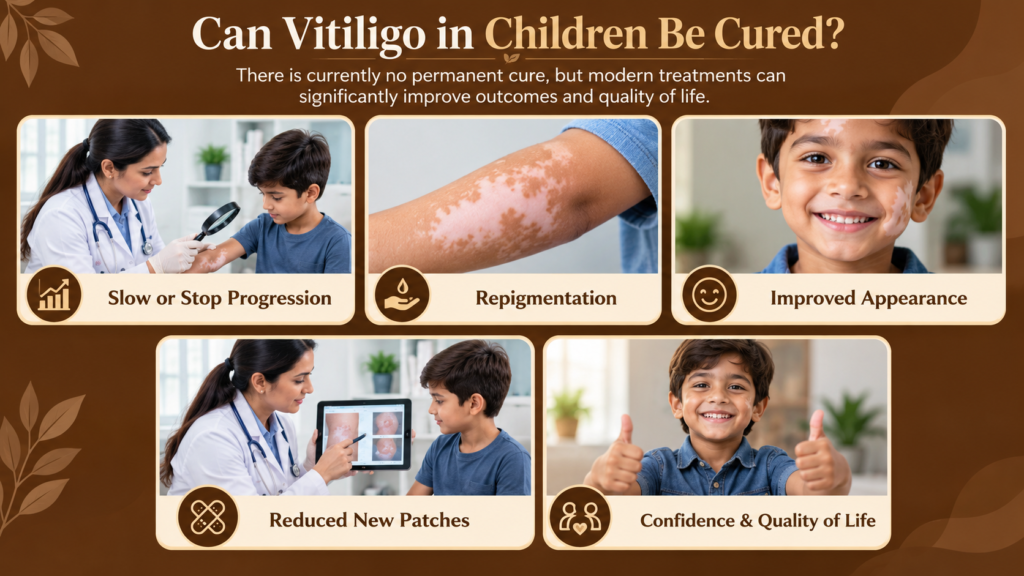
Can Vitiligo in Children Be Cured?
There is currently no permanent cure for vitiligo. However, modern treatments can:
- Slow or stop disease progression
- Restore skin color in many patients
- Improve cosmetic appearance
- Reduce the formation of new patches
- Enhance confidence and quality of life
The outcome varies from child to child, making early medical evaluation especially important.
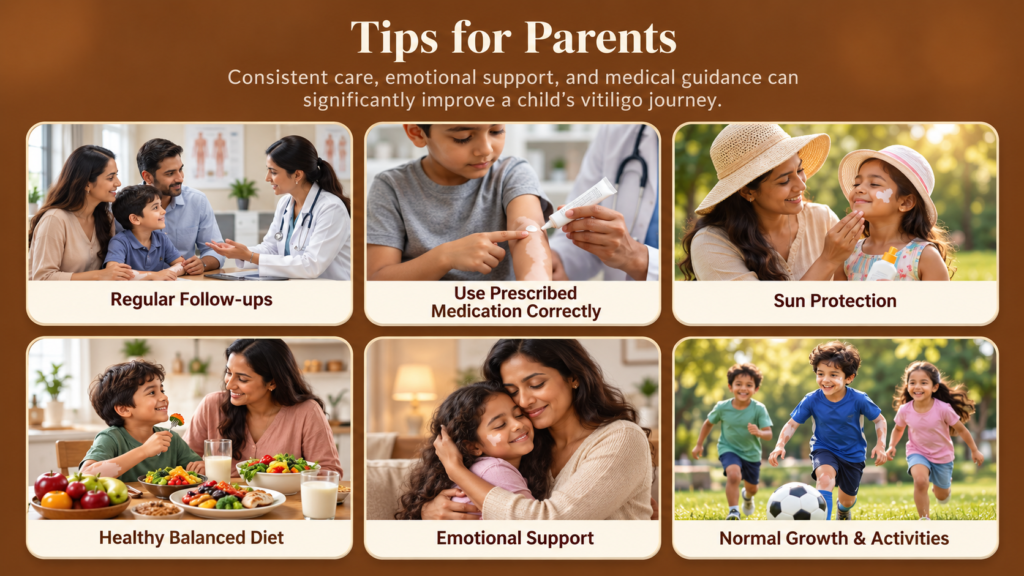
Tips for Parents
Parents can support treatment by:
- Scheduling regular follow-ups with a dermatologist
- Applying prescribed medications exactly as directed
- Protecting affected skin with sunscreen
- Encouraging a healthy, balanced diet
- Avoiding self-medication or home remedies without medical advice
- Supporting your child’s emotional well-being and self-confidence
Remember that vitiligo does not affect intelligence, growth, or physical abilities. Children with vitiligo can enjoy school, sports, and daily activities just like their peers.
When Should You See a Dermatologist?
Consult a dermatologist if your child has:
- Newly developed white patches
- Rapidly spreading discoloration
- White hair appearing with skin patches
- A family history of vitiligo
- Emotional distress due to skin changes
Early intervention often provides better long-term management.
Conclusion
Advances in children vitiligo treatment in India have made it possible to manage the condition more effectively than ever before. Although vitiligo is a lifelong condition for many individuals, timely diagnosis, appropriate treatment, and emotional support can help children lead healthy, confident lives.
If you notice unexplained white patches on your child’s skin, seek advice from a qualified dermatologist. Early assessment can help determine the cause and create a personalized treatment plan suited to your child’s needs.
Frequently Asked Questions
Yes. Vitiligo can develop at any age, including childhood. Many cases begin before the age of 20.
No. Vitiligo is not contagious and cannot spread through physical contact, sharing food, or playing together
Treatment depends on the child’s age and the severity of the condition. Dermatologists may recommend topical medications, phototherapy, targeted light therapy, or other individualized approaches.
In some children, vitiligo may spread gradually, while in others it may remain stable for years. Regular monitoring helps guide treatment.
No. White patches can also result from fungal infections, eczema, birthmarks, or other skin conditions. A dermatologist can make the correct diagnosis.
A healthy, balanced diet supports overall skin health, but there is no specific diet proven to cure vitiligo. Nutritional advice should complement—not replace—medical treatment.
Yes, when prescribed and monitored by a qualified dermatologist. Treatment plans are tailored to the child’s age, skin type, and overall health.